logo slogan head1 head2
Home
|
Links
|
Contact Us
shadow
treatments
ine
staff
ine
conditions
ine
location
leftimae
 
line2
CONDITIONS TREATED

Posterior Upper Leg

body
body1

Piriformis Syndrome:
Piriformis syndrome is a condition where the piriformis muscle, which is located in the buttock, becomes tight often resulting in irritation to its neighbour, the sciatic nerve. Symptoms often include buttock pain which may radiate into the posterior aspect of the lower extremity. Piriformis tightness is usually caused by pathology in the sacroiliac joint or lower lumbar spine.

Treatment includes:
Education about the condition and how to avoid making it worse.

Therapeutic modalities to improve circulation and/or reduce inflammation and pain such as ultrasound, laser, interferential current, electrical muscle stimulation, acupuncture.

Exercises to stretch or strengthen the appropriate muscles.

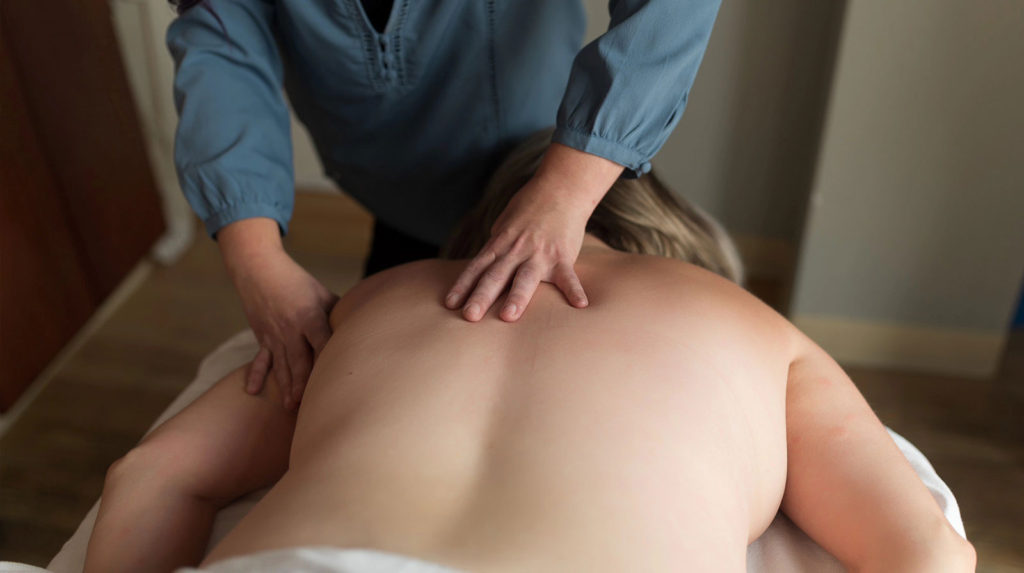
Manual therapy to improve the movement in the area.

Sciatica:
Sciatica is often caused from a herniated disc (also known as a ruptured disc, pinched nerve, slipped disc etc). This puts pressure on the nerve roots in the spine which make up the sciatic nerve. The sciatic nerve runs from the low back, through the buttock, and down the back of each leg. Sciatica can also develop from wear and tear as opposed to a particular event. Swelling around a joint in the lower back can irritate the nerve roots in the spine which make up the sciatic nerve and cause this severe leg pain.

Treatment includes:
Education about the condition and how to avoid making it worse.

Therapeutic modalities to improve circulation and/or reduce inflammation and pain such as ultrasound, laser, interferential current, electrical muscle stimulation, acupuncture.

Exercises to stretch or strengthen the appropriate muscles.

Manual therapy, especially traction to reduce the pressure on the nerve roots and improve the movement in the area

top
 
foot1 Copyright 2007 Beaverbank Orthopaedic and Sport Physiotherapy . All rights reserved foot2