|
|
 |
| CONDITIONS
TREATED |
Sacro Iliac Joint (SIJ) |
|
Coccydynia
Coccydynia is a catch all phrase for pain felt in the coccyx (tip of tailbone). Causes of such pain may include a sudden fall, childbirth, repetitive strain or surgery. This pain may be due to inflammation or malalignment. Symptoms are usually exacerbated by sitting or bending forward.
Treatment includes:
Education about the condition and how to avoid making it worse. Doughnut cushions can be helpful.
Therapeutic modalities to improve circulation and/or
reduce inflammation and pain such as ultrasound, laser,
interferential current, electrical muscle stimulation,
acupuncture.
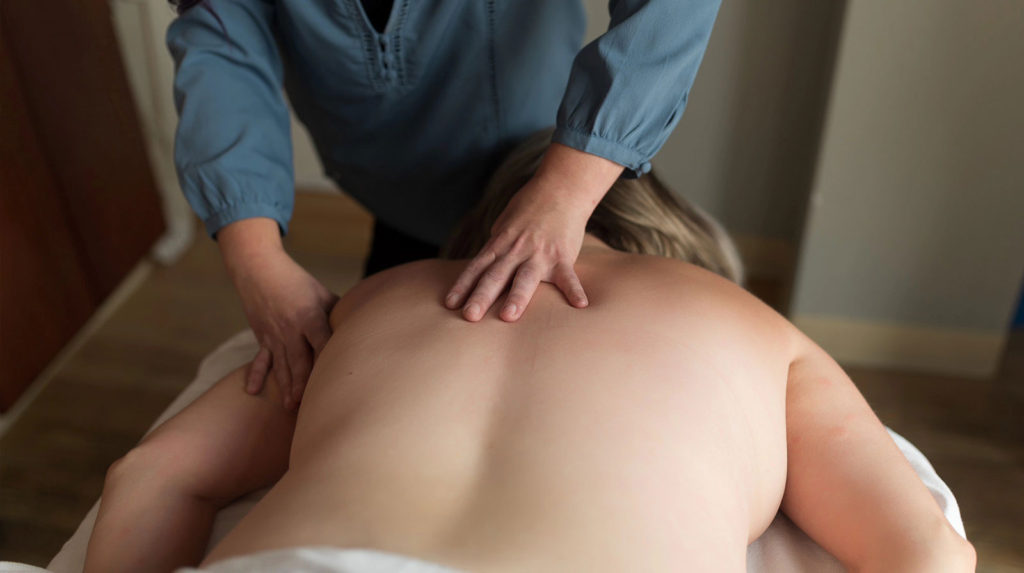
Manual therapy to improve the movement in the area.
|
Piriformis Syndrome:
Piriformis syndrome is a condition where the piriformis muscle, which is located in the buttock, becomes tight often resulting in irritation to its neighbour, the sciatic nerve. Symptoms often include buttock pain which may radiate into the posterior aspect of the lower extremity. Piriformis tightness is usually caused by pathology in the sacroiliac joint or lower lumbar spine.
Treatment includes:
Education about the condition and how to avoid making it worse.
Therapeutic modalities to improve circulation and/or
reduce inflammation and pain such as ultrasound, laser,
interferential current, electrical muscle stimulation,
acupuncture.
Exercises to stretch or strengthen the appropriate muscles.
Manual therapy to improve the movement in the area.
|
Pubic Symphysis:
The pubic symphysis is the joint in the front of the pelvis where the two sides of the pelvis join. Pain from this joint is located in the front of the pelvis. This pain is often due to inflammation, instability or malalignment. This joint can be injured following a traumatic injury (for example sports or a car accident), during or after pregnancy, or with chronic groin injuries.
Treatment includes:
Education about the condition and how to avoid making it worse. Sometimes a compression belt or compression shorts are helpful.
Therapeutic modalities to improve circulation and/or
reduce inflammation and pain such as ultrasound, laser,
interferential current, electrical muscle stimulation,
acupuncture.
Exercises to stretch or strengthen the appropriate muscles(especially the groin muscles and abdominals).
Manual therapy to improve the movement in the area.
|
Sacroiliac Joint Pathology:
The sacroiliac or SI joint is the point where the spine meets the pelvis. It transfers the weight of the upper body to the legs. The SI joint can be sprained or inflamed which causes it to become painful and feel stiff. The SI joint does not move very much but when it is irritable the muscles in the region, especially piriformis, can spasm or tighten making movement stiff and uncomfortable. This is often characterized by pain in the base of the spine which is exacerbated by weight bearing (especially affected side) and various daily tasks including rolling in bed, getting in and out of a car, and vacuuming.
Treatment includes:
Education about the condition and how to avoid making it worse.
Therapeutic modalities to improve circulation and/or
reduce inflammation and pain such as ultrasound, laser,
interferential current, electrical muscle stimulation,
acupuncture.
Exercises to stretch or strengthen the appropriate muscles.
Manual therapy to improve the movement in the area.
|
|
| |
|
|
|